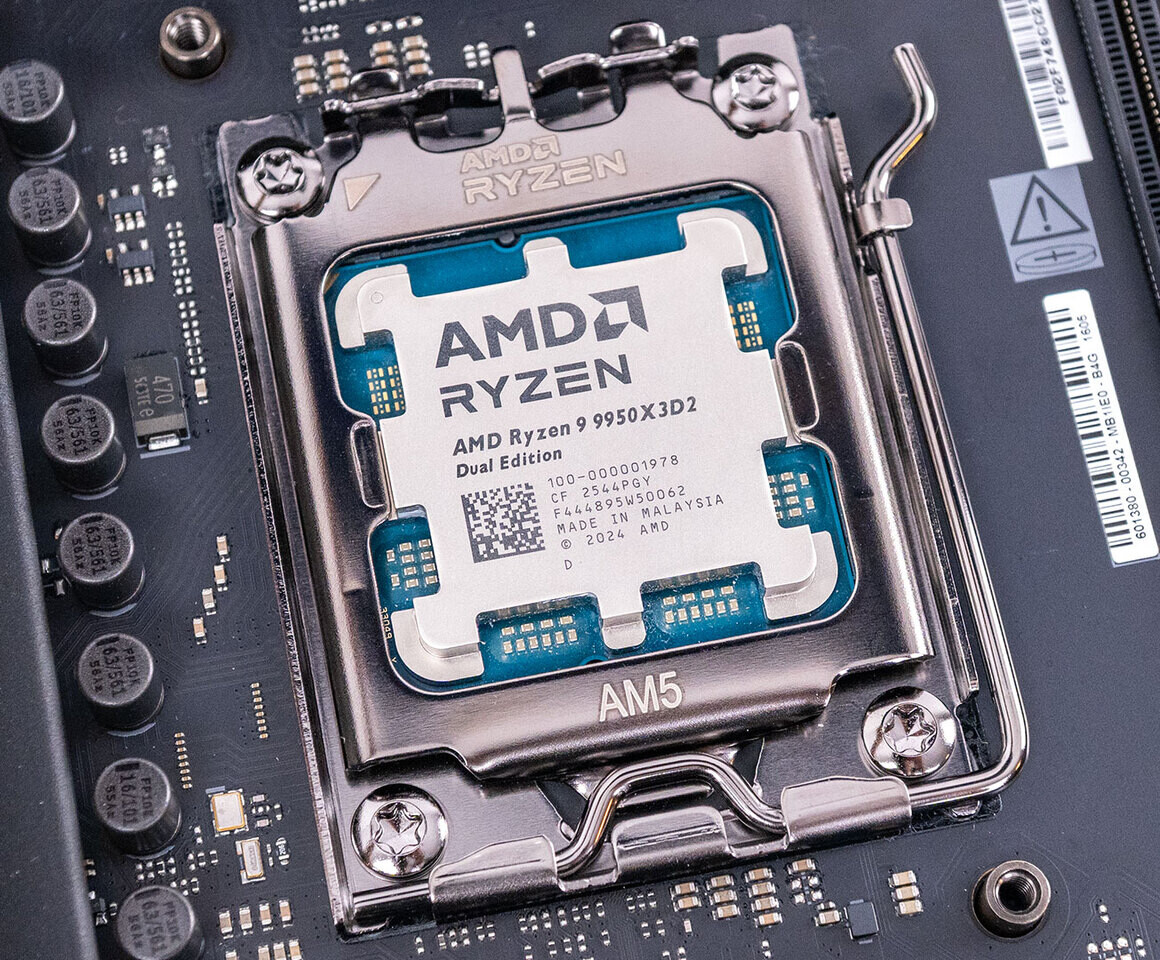
AMD Quietly Removes Transparent Secure Memory Encryption from Consumer Ryzen CPUs
Recent findings have revealed that AMD has discreetly discontinued Transparent Secure Memory Encryption (TSME) from its consumer-grade Ryzen processors. TSME, a feature designed to encrypt system memory and protect against physical attacks targeting unencrypted RAM, has been a part of AMD’s processor lineup for nearly a decade. Its removal marks a significant shift in AMD’s approach to security features across its product range.
What Is Transparent Secure Memory Encryption (TSME)?
TSME is a hardware-based security feature that encrypts the contents of a computer’s memory, making it much harder for attackers to extract sensitive data through physical access or cold boot attacks. Originally, AMD included TSME across a wide array of its processors, including mainstream Ryzen, Ryzen Pro, Threadripper, and EPYC models. This broad implementation provided an extra layer of security for both consumer and professional users.
Discovery of TSME Removal in Ryzen Processors
The absence of TSME in consumer Ryzen CPUs came to light during a test on a Ryzen 7 9700X, which is based on AMD’s latest “Zen 5” architecture. Security researchers and engineers noticed that the expected memory encryption support was missing. Further investigation, particularly on Linux systems where firmware security flags are more transparent, confirmed that the encrypted RAM flag was absent—even when TSME was enabled in the BIOS.
The change appears to have started with the release of AGESA firmware version 1.2.7.0. Since then, subsequent AGESA updates have systematically removed TSME support from consumer Ryzen processors. This adjustment was not publicly announced by AMD, making it difficult for users to detect unless they specifically checked for the feature.
AMD’s Official Position and Product Segmentation
In response to inquiries, AMD clarified that “TSME is a security feature only applied to PRO CPUs as part of AMD PRO Technologies.” This means that TSME is now exclusive to AMD’s professional-grade processors, such as the Ryzen Pro series, and is no longer available on standard consumer Ryzen chips.
The move to reserve TSME for the PRO lineup further distinguishes AMD’s professional offerings from its consumer products. While TSME was never heavily marketed to general consumers, its presence provided an added security benefit for those who needed it. Now, organizations and individuals requiring advanced memory encryption will need to consider AMD’s PRO series CPUs.
Implications for Users and Security
The quiet removal of TSME from consumer Ryzen processors underscores the importance of understanding the security features available in different CPU models. For most home users, the absence of TSME may not have a significant impact. However, for enterprise environments or users with heightened security requirements, the distinction between consumer and PRO CPUs is now more pronounced.
As AMD continues to evolve its processor lineup, users seeking robust hardware-based memory encryption should look to the Ryzen PRO series, which maintains support for TSME as part of its suite of enterprise security features.