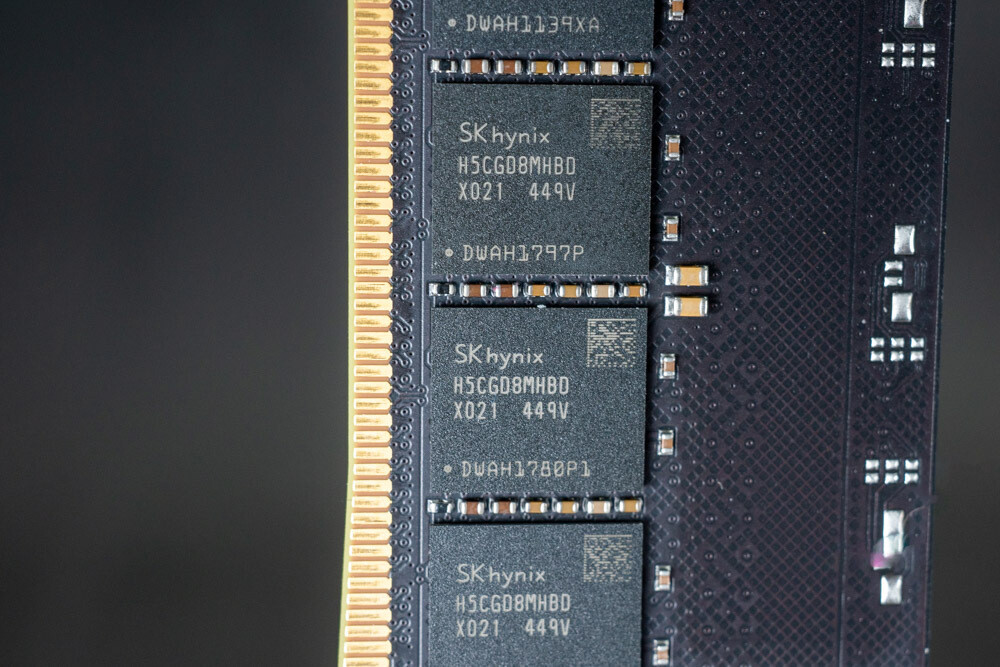
DDR4 Memory Prices Begin to Stabilize After Unprecedented Surge
After a year marked by extraordinary price hikes, DDR4 memory pricing is finally showing signs of relief. In March, DDR4 16 Gb spot prices corrected by 5%, following a staggering increase of over 2,200% throughout the previous year. This dramatic surge was largely fueled by the overwhelming demand for AI data center expansion, which absorbed nearly all available DDR production. As a result, both DDR4 and DDR5 memory prices have become hot topics among technology enthusiasts, PC builders, laptop manufacturers, and OEMs alike.
Impact on Consumers and the Tech Industry
The rapid escalation in memory prices over the past year has significantly affected a wide range of users. PC DIY enthusiasts, system integrators, and even major PC OEMs have faced challenges in sourcing affordable RAM, making it difficult for many consumers to upgrade or build new systems with higher memory capacities. The high cost of DDR4 and DDR5 modules has effectively priced out many potential buyers, slowing down upgrades and new installations across the industry.
Understanding Spot vs. Contract Pricing in DDR Memory
To better grasp the current market dynamics, it’s important to distinguish between spot and contract pricing for DDR memory. Contract pricing refers to the rates negotiated between major memory manufacturers—such as Samsung, SK hynix, and Micron—and large-scale buyers like Apple, HP, Dell, or server manufacturers. These contracts typically involve substantial quantities and longer-term agreements.
In contrast, spot pricing is determined by immediate, one-off transactions, often involving smaller volumes purchased by DRAM distributors and supply chain partners. Spot prices are more volatile and can reflect sudden shifts in supply and demand. In March, DDR4 spot prices dropped by about 5% compared to February, with DDR5 spot prices experiencing a similar trend.
Price Trends: DDR4 vs. DDR5
The price trajectory for DDR4 has been particularly striking. A DDR4 16 Gb module, which was priced at $3.20 in March 2025, soared to approximately $74.10—a 22-fold increase, or about 2,215%. DDR5 16 Gb modules also saw significant price growth, rising from $5.30 to around $37.20 during the same period. The sharper increase in DDR4 pricing can be attributed to the industry-wide transition from DDR4 to DDR5 production, as manufacturers shift their focus to the latest memory technology.
This transition has created a unique supply and demand imbalance, with DDR4 spot prices outpacing those of DDR5—a rare occurrence in the memory market. As more manufacturers ramp up DDR5 production and the industry adapts to new technology, further stabilization in DDR4 and DDR5 pricing is expected.
Looking Ahead
While the recent correction in DDR4 spot prices offers hope for consumers and industry players, the memory market remains dynamic. Ongoing shifts in manufacturing priorities and continued demand from AI and data center sectors will likely influence pricing trends in the months ahead. For now, the easing of DDR4 prices marks a positive development for those looking to upgrade or build new systems in an ever-evolving technology landscape.