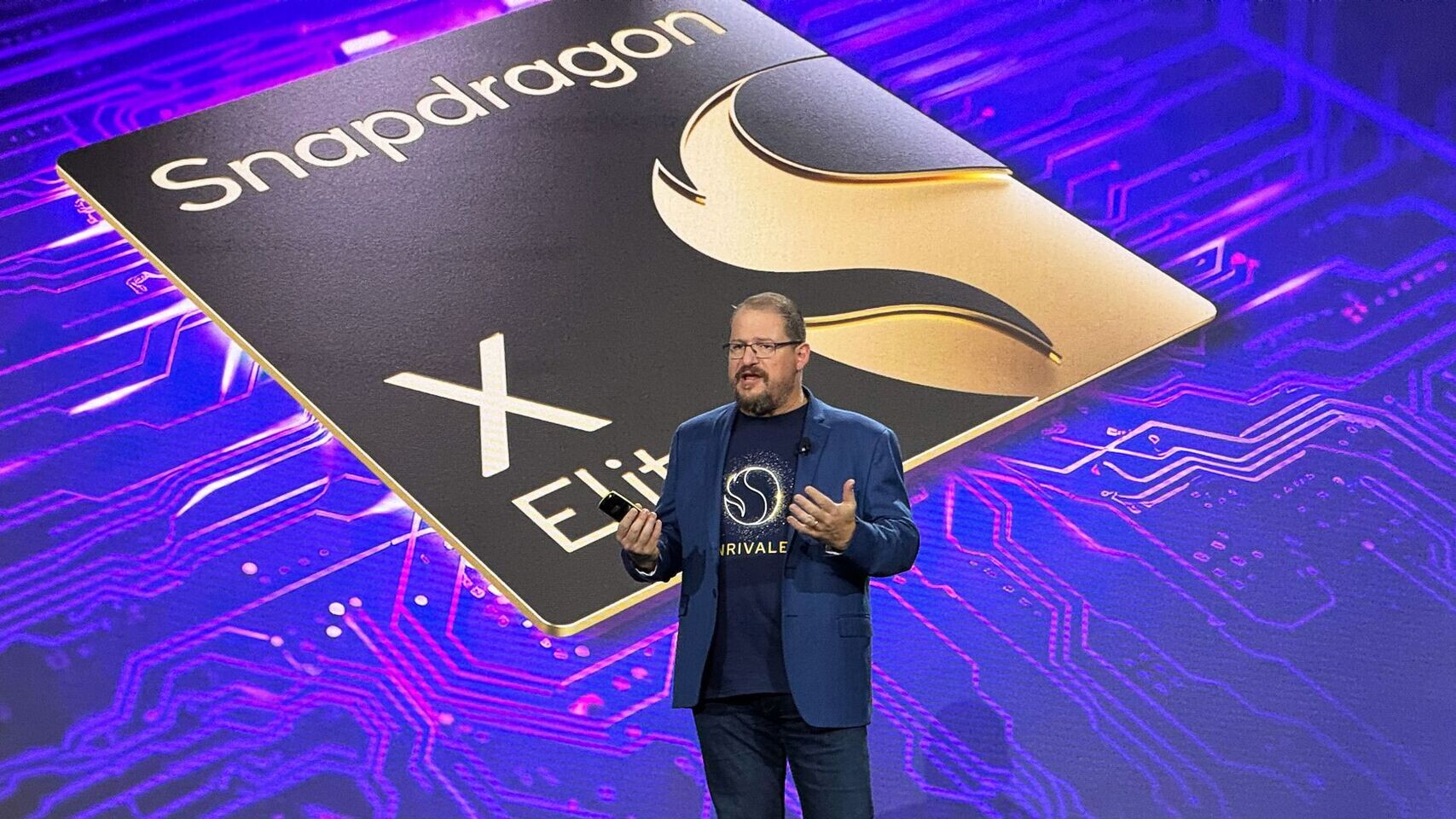
Qualcomm CEO Discusses Intel Foundry’s Readiness for Mobile Chip Production
In a recent interview with Bloomberg Tech, Qualcomm CEO Cristiano Amon addressed the company’s current stance on using Intel Foundry for its mobile chip manufacturing. Amon stated that, at present, “Intel is not an option today,” but emphasized Qualcomm’s interest in considering Intel as a future partner. The CEO highlighted that while Intel’s latest foundry node—likely referring to Intel 18A—shows promise, it does not yet meet the requirements for Qualcomm’s mobile system-on-chips (SoCs).
Amon explained that Qualcomm’s chip designs are fundamentally focused on energy efficiency, noting, “We design all of our chips assuming there’s a battery on the other side, not plugged into the wall.” This approach is especially critical for mobile devices and automotive applications, such as Qualcomm’s recent collaboration with BMW. The current iteration of Intel’s 18A node is primarily targeted at mid-range and high-power solutions, rather than the low-power, high-efficiency chips that power smartphones and other mobile devices.
TSMC and Samsung Remain Key Partners for Qualcomm’s Mobile SoCs
For now, Qualcomm continues to rely on TSMC and Samsung for its low-power SoC production. Both foundries have established expertise in manufacturing chips optimized for mobile devices, making them the preferred choice for Qualcomm’s needs. Meanwhile, Intel is focusing on advancing its foundry technology, with upcoming nodes such as 18A-P (planned for 2026) and 18A-PT (targeted for 2028) expected to offer significant improvements. The introduction of Intel 14A is also anticipated to be a pivotal moment for Intel Foundry, as it aims to attract major customers with enhanced performance and efficiency.
US-based technology companies are closely monitoring the evolution of Intel Foundry services. Beyond advanced manufacturing, Intel is also gaining attention for its progress in chip packaging technologies. However, the primary objective for Intel Foundry remains the production of leading-edge nodes. To secure partnerships with companies like Qualcomm, Intel will need to demonstrate competitive yield and performance metrics as its new nodes become available.