Intel's New Patent for Enhanced CPU Performance
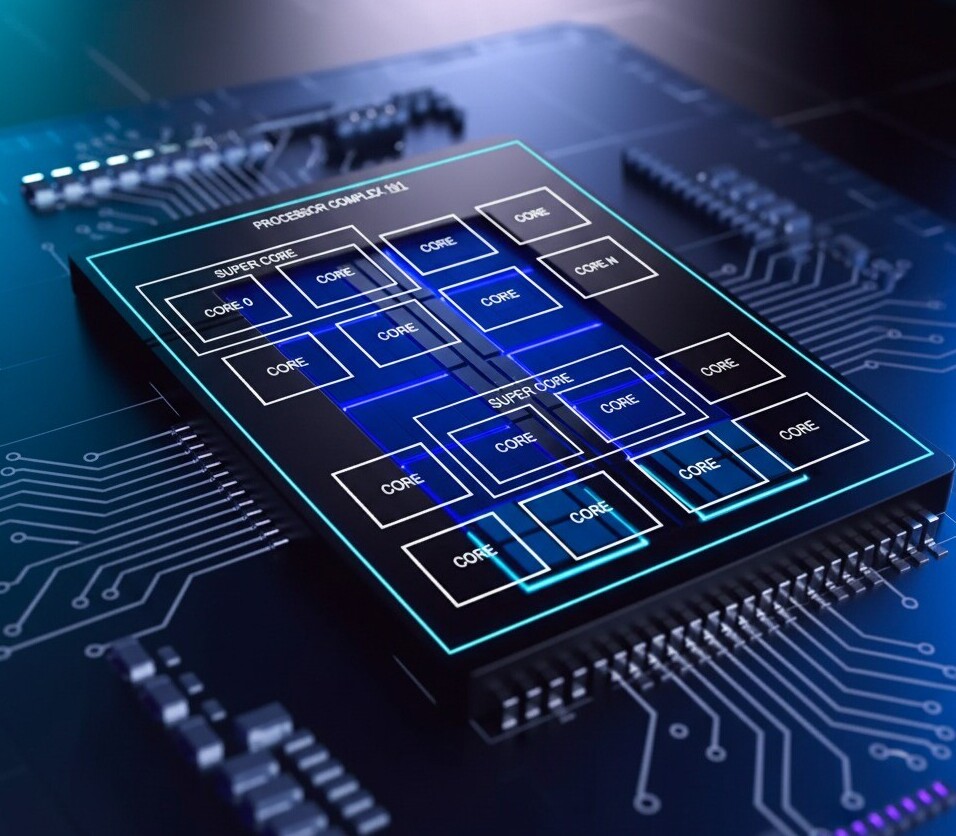
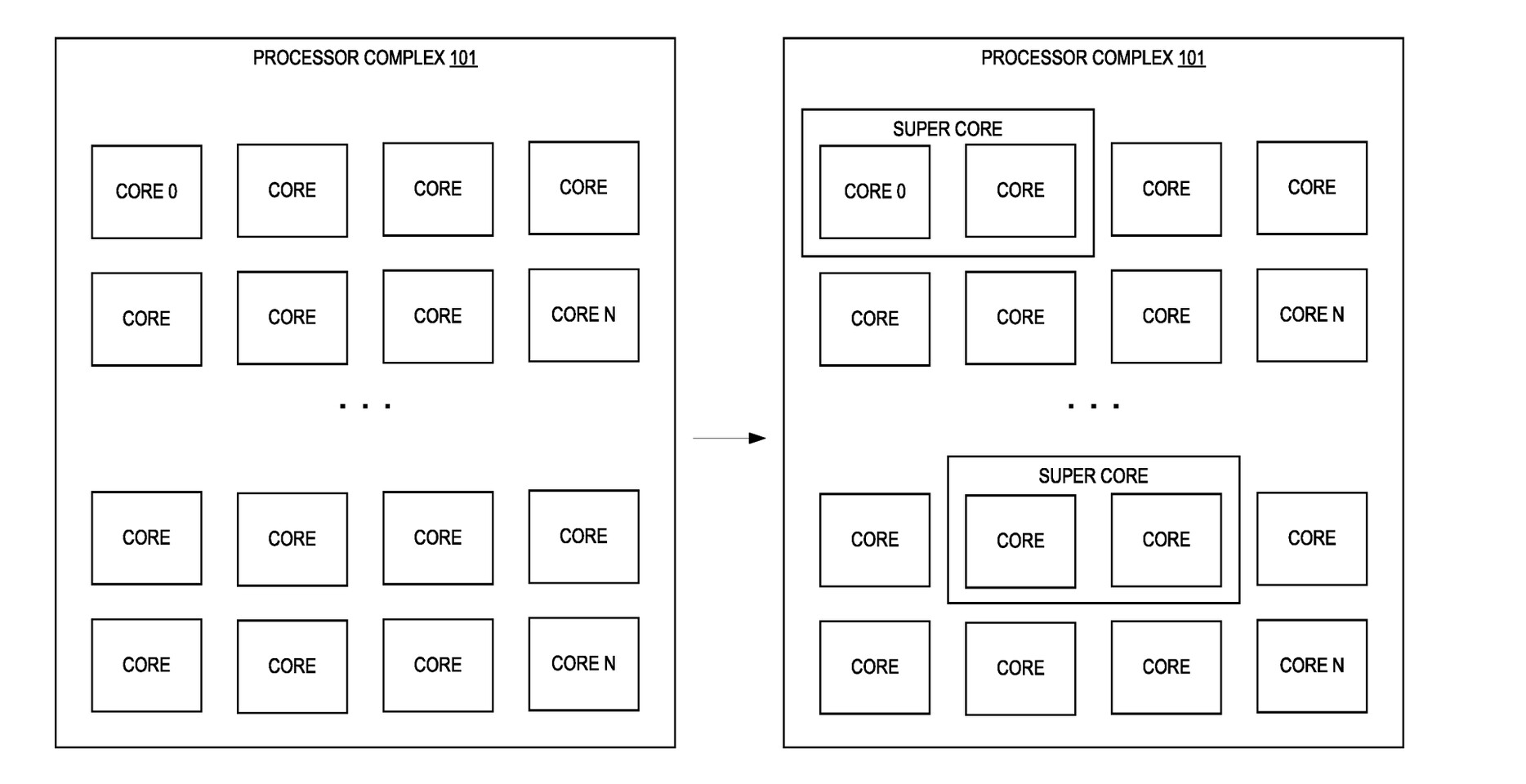
Intel has recently filed a patent aimed at maximizing the performance of its CPUs. The patent outlines a novel approach to boosting single-thread performance by combining multiple smaller cores to function as a larger core. Rather than focusing on increasing clock speeds or building larger cores, the concept involves dynamically merging two or more physical cores to collaboratively execute a single thread, while presenting themselves to the operating system as a single logical core. This innovative technique, referred to as Software Defined Super Cores (SDC), involves splitting an instruction stream into segments and distributing them among the fused cores. These cores would work closely together, utilizing specialized buffers and fast communication pathways to ensure accurate memory ordering and data transfers. In scenarios where heavy single-threaded processing is required, the processor can enter a fused mode to create a "super core" that can handle more instructions per cycle without the need for higher voltage or frequency, ultimately improving performance efficiency.
However, maintaining strict program order across multiple physical cores necessitates low-latency inter-core communication, precise synchronization, and effective scheduling of the fused cores to yield tangible benefits for real-world applications. This poses a significant challenge in terms of software development. It is likely that advanced compiler techniques will be essential to fully exploit the potential bandwidth of this approach, as seen in the case of Intel's unsuccessful Itanium processor. If successfully implemented, this method could offer chip designers a new avenue for enhancing single-thread performance beyond traditional methods such as process shrinks and larger core designs. The feasibility of integrating SDC designs into commercial silicon will depend on the outcomes of prototype testing and the ability of operating systems and compilers to effectively utilize this mode. While Intel continues to explore innovative core architectures, not all concepts make it to mass production due to practical limitations.